
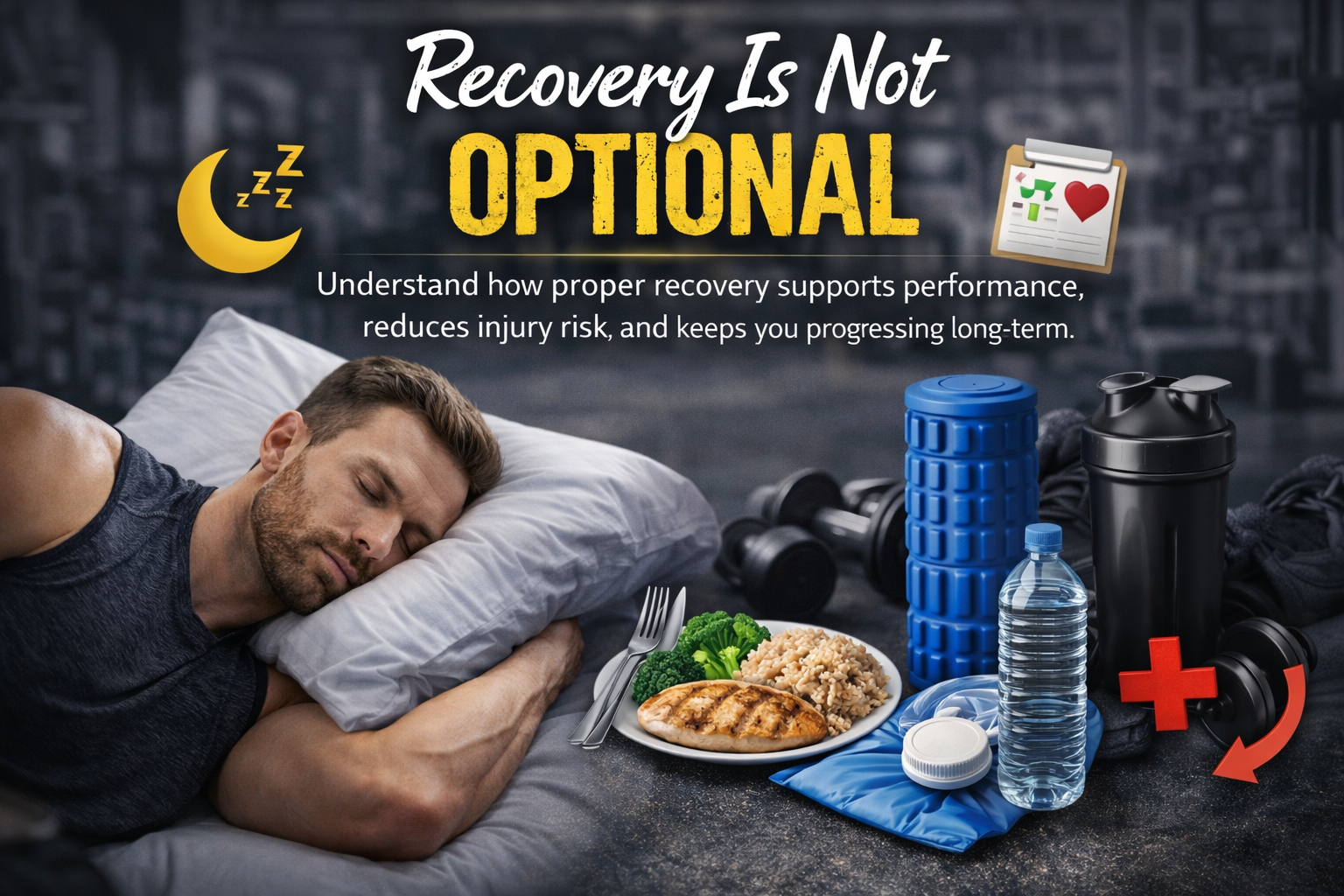
Many people treat recovery as an afterthought. In reality, it's where progress happens. Training breaks your body down — recovery builds it back up stronger.
Sleep: The Foundation of Recovery
Sleep is the single most important recovery tool. During sleep, your body repairs muscle tissue, regulates hormones, and restores energy reserves. Aim for 7-9 hours per night. Inadequate sleep negatively affects strength output, emotional state, and training motivation.
Mobility and Movement
Restricted mobility in areas like hips, shoulders, and ankles can compromise performance and elevate injury risk. Incorporating regular mobility work and movement-based recovery sessions keeps your body prepared for training demands.
Therapeutic Support
Massage therapy and active therapy sessions address tension and minor imbalances before they escalate into significant problems. Regular therapeutic support keeps you consistent by preventing the small issues that force time off.
Nutrition for Recovery
What you eat after training directly impacts how quickly you recover. Adequate protein supports muscle repair, while carbohydrates replenish energy stores. Don't neglect post-workout nutrition — it's as important as what you eat before training.
Rest Days Are Training Days
Rest days aren't wasted days. They're when adaptation happens. Light movement, stretching, and proper nutrition on rest days support the recovery process and prepare your body for the next session.
"Recovery isn't weakness. It's strategy."